Where to start
What happens on our first call
Starting is simple, and it does not ask you to have anything figured out. Here is what happens from the moment you fill out the form.
Written by Bruna Gomes, CPD3 min read
Updated September 2026
Reaching out to someone you have never met, about something as personal as your pregnancy or your postpartum, can feel like a big step. Some mothers write the message and delete it more than once. Some wait until things feel harder than they want to admit.
So I would like to take some of the mystery out of it. This is what actually happens when you reach out to Cora.
It starts with a short form
The first step is the contact form here on the site. It asks for the basics: your name, how you prefer to be contacted, your location, and your estimated due date or your baby's date of birth.
It also asks a few open questions. What kind of support you are looking for right now. Which topics you would like to learn more about. Three things that would help you feel prepared for postpartum. And anything you want me to know before we talk.
You do not need perfect answers. A few words are enough. If you are not sure what kind of support you need, there is an option on the form for exactly that. That's ok. We can figure it out together.
Then I reach out to schedule our call
Once you submit the form, I will be in touch to schedule a complimentary 15 to 30 minute call. You tell me on the form whether you prefer email or phone, and that is how I will reach you.
This call is a brief, no pressure conversation. It is a space for us to get to know each other, for me to understand your needs, and for you to get some of your questions answered.
What we talk about
Every call is a little different, because every family is. In general, we talk through where you are right now, what feels hard or unclear, and what kind of support would make the most sense for your family.
Maybe you are pregnant and want to feel more prepared before the baby arrives. Maybe the baby is already here and you would like someone in your home. Maybe you live outside Massachusetts and New Hampshire and you are wondering whether virtual support could work for you. All of these are good reasons to reach out.
In person support is available in the Boston area, Northern Massachusetts and Southern New Hampshire, depending on location and availability. For families outside that area, virtual support may be a good fit, and we can talk about that too.
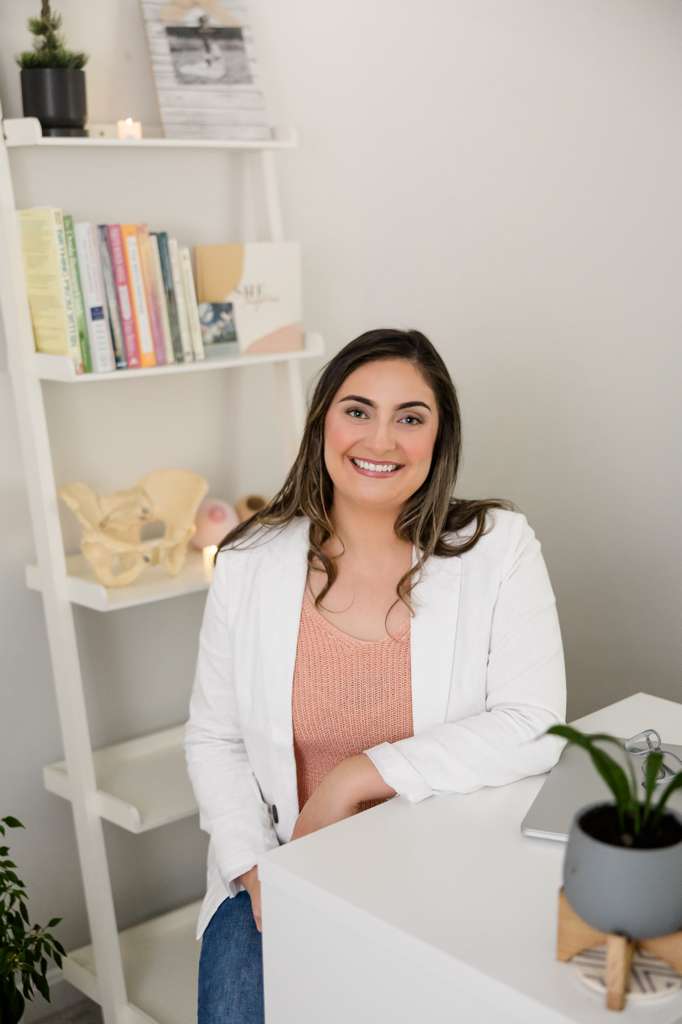
The call is also your chance to get to know me. Doula care is personal. You are deciding who you want beside you during a very tender season, so please ask me anything.
What you do not need to have ready
You do not need to know which service you want. You do not need a birth plan, a spreadsheet or a list of questions. You do not need to have decided how you will feed your baby.
And you do not need to be in a hard moment to deserve a conversation. Preparing ahead is a very good reason to call.
If the baby is crying in the background, that is fine. If you need to stop for a moment, that is fine too. I am a mother of three, and I know how real life sounds.
After the call
If we are a good fit, we talk about timing, services, location and the best next step for the season you are in. From there, we create the support that fits your family's needs.
If we are not the right fit, that is ok too. My hope is that you leave our conversation with a little more clarity than you had before, whatever you decide.
Starting really can be that simple. A few words on a form, and one honest conversation. You are welcome to come exactly as you are.